The Benefits of Cold Water Therapy: What the Science Really Says
There's something wonderfully honest about cold water. It doesn't let you hide, it doesn't let your mind wander, and for a few brief, breathless moments, it asks for your full presence. That's part of why cold water therapy, from ice baths and cold plunges to cold showers and contrast therapy, has moved from a niche…
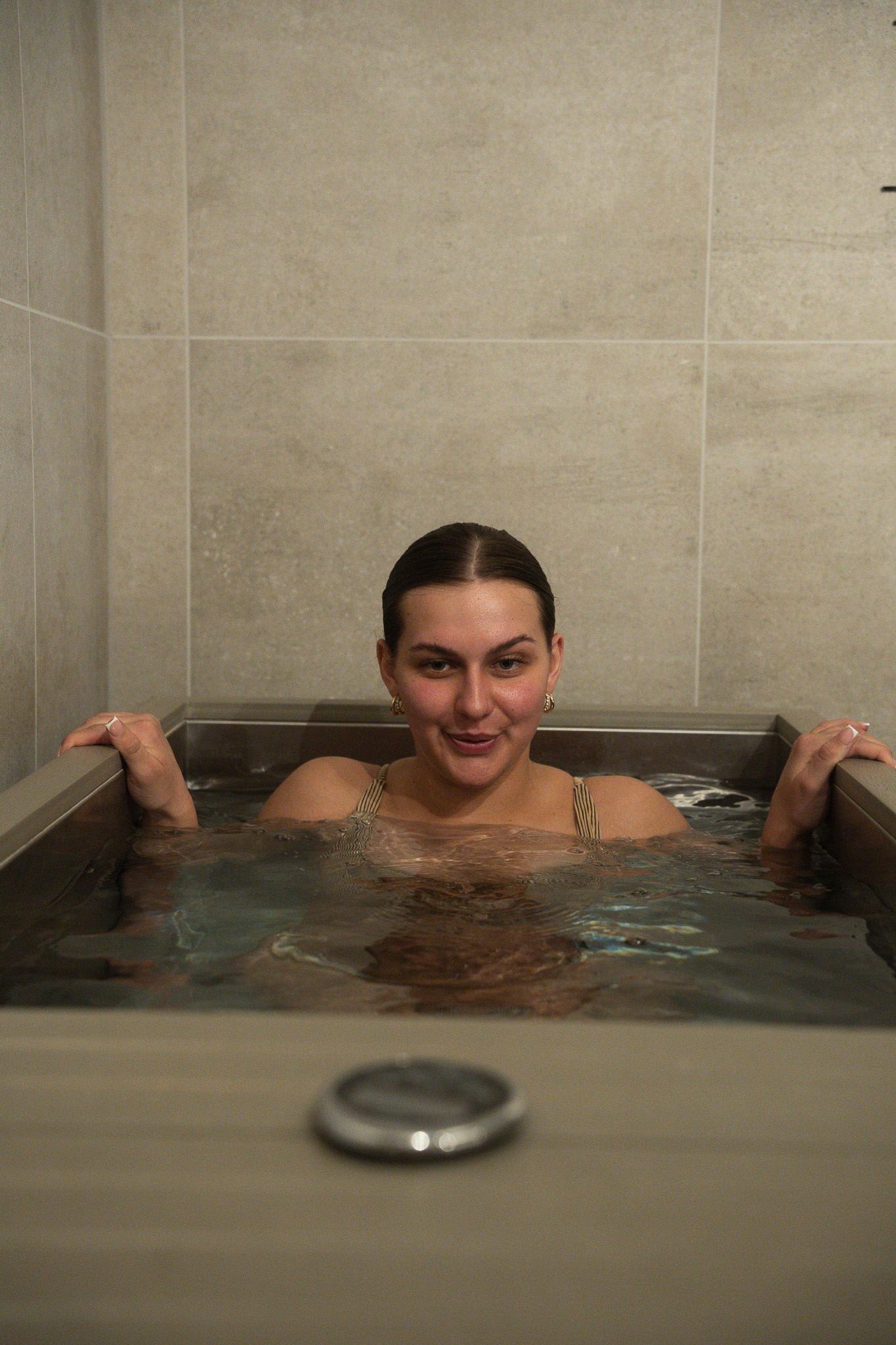
What Happens When You Get Into Cold Water?When your body meets cold water (typically around 10 to 15°C for a plunge), it triggers what's known as a "cold shock response." Blood vessels constrict, breathing quickens, and your nervous system shifts into high alert. It sounds intense, and it is, but this is precisely where the benefits begin. Your body is being asked to adapt, and adaptation is where growth happens, physically and mentally.
The Physical Benefits of Cold Water Immersion
1. Faster muscle recovery and reduced soreness Cold water immersion has long been used by athletes for good reason. Research summarised by the Mayo Clinic Health System has found that cold water immersion can reduce the degree of exercise induced muscle damage, which in turn eases inflammation, reduces soreness, and helps restore physical performance more quickly after training. A Cochrane review, considered the gold standard in evidence based healthcare, similarly found reasonable evidence that cold water immersion helps delay the onset of muscle soreness after exercise.
2. Improved circulation The rapid constriction and then dilation of blood vessels during cold exposure acts like a workout for your circulatory system. Over time, this cycle, especially when paired with sauna or contrast therapy, is believed to support healthier, more efficient blood flow.
3. A more resilient immune response While the research here is still developing, it's genuinely encouraging. A widely cited study on regular cold water swimmers found a meaningful reduction in sickness related absence from work among those who took cold showers regularly, and other studies have observed measurable changes in white blood cell activity following consistent cold exposure. Some researchers believe the immune systems of regular cold water swimmers may adapt over time, helping the body manage everyday stressors more efficiently.
4. A short term inflammatory "reset" Interestingly, cold water immersion causes a brief increase in inflammation immediately afterwards. This is your body's natural stress response doing its job. What matters is the bigger picture: this temporary spike appears to be part of a process that supports long term resilience, much like how a workout temporarily stresses your muscles before they come back stronger.
Reducing Inflammation, Swelling and Joint Pain
This is one of the questions we're asked most often at Revitalise Hub, and it's backed by some genuinely compelling research: can cold water help with arthritis, swelling, and everyday aches and pains? For many people, the answer is yes.
How cold water reduces swelling and inflammation When you immerse in cold water, blood vessels constrict, which reduces blood flow to inflamed areas and helps limit swelling at the source. A comprehensive review of cryotherapy for osteoarthritis and rheumatoid arthritis found that cold water immersion, alongside related cold treatments, has a long history of easing joint inflammation, with research showing meaningful reductions in both pain and swelling.
Cold water therapy and arthritis: For those living with arthritis, this is more than a recovery trend. It's a potential source of real, day to day relief. A feasibility study of cold water immersion in rheumatoid arthritis patients found it helped ease joint pain and swelling and supported better physical function, without increasing the number of painful or swollen joints. Similarly, a randomised controlled trial looking at gout arthritis found that cold water immersion helped reduce inflammation markers and meaningfully lowered pain levels, alongside improvements in joint mobility and quality of life.
Natural pain relief without medication Cold exposure also triggers the release of the body's own natural painkillers, endorphins such as dopamine and serotonin, which can temporarily numb pain receptors and ease discomfort. Research suggests that longer cold exposure at colder temperatures produces a greater (if temporary) numbing effect, which is part of why cold water immersion is so widely used to manage pain from swelling, soft tissue injuries, and chronic joint conditions alike.
A note on osteoarthritis and everyday joint pain It isn't just clinical arthritis that may benefit. Anyone dealing with swollen joints, stiffness, or inflammation related discomfort after activity may find that regular, controlled cold water immersion, particularly alongside contrast therapy, helps them move more freely and comfortably day to day.
The Mental Health Benefits of Cold Water Therapy
This is where the science becomes genuinely exciting, and where a holistic view of wellness really comes into its own.
1. An immediate, measurable lift in mood Multiple studies have found significant improvements in mood within minutes of cold water immersion. Research published by Stanford's Lifestyle Medicine programme highlights how cold water immersion appears to enhance mood and overall psychological wellbeing, boosting feelings of vitality and motivation while reducing feelings of distress. One widely reported study found that after just one cold water bath, participants felt more alert, proud, and inspired, and noticeably less anxious and distressed, with brain imaging confirming genuine changes in activity, not just self reported feeling.
2. Lower cortisol and greater stress resilience A study published in the journal Physiology & Behavior found that a single 15 minute cold water immersion session led to measurably lower cortisol levels three hours later. The theory is a hopeful one: by regularly practising cold exposure in a controlled, safe environment, your body may learn to release less cortisol in response to everyday stress too, building genuine physiological and psychological resilience over time.
3. A natural mood supporting neurochemical response Whole body cold exposure has been shown to trigger the release of neurotransmitters including serotonin, dopamine, norepinephrine, and endorphins, all of which play a central role in regulating mood, motivation, and emotional wellbeing. Researchers studying brain connectivity after cold water immersion found that participants felt noticeably more active, attentive, and positive afterwards, with changes visible in the brain's own attention and emotion regulation networks.
4. Support for long term wellbeing A large scale study looking at regular cold water exposure found a significant reduction in depressive symptoms in well over half of participants. While researchers are clear that more robust, long term studies are still needed, the emerging picture is a genuinely promising one for anyone looking to support their mental health through natural, accessible means.
Cold Water Therapy as Part of a Holistic Recovery Routine
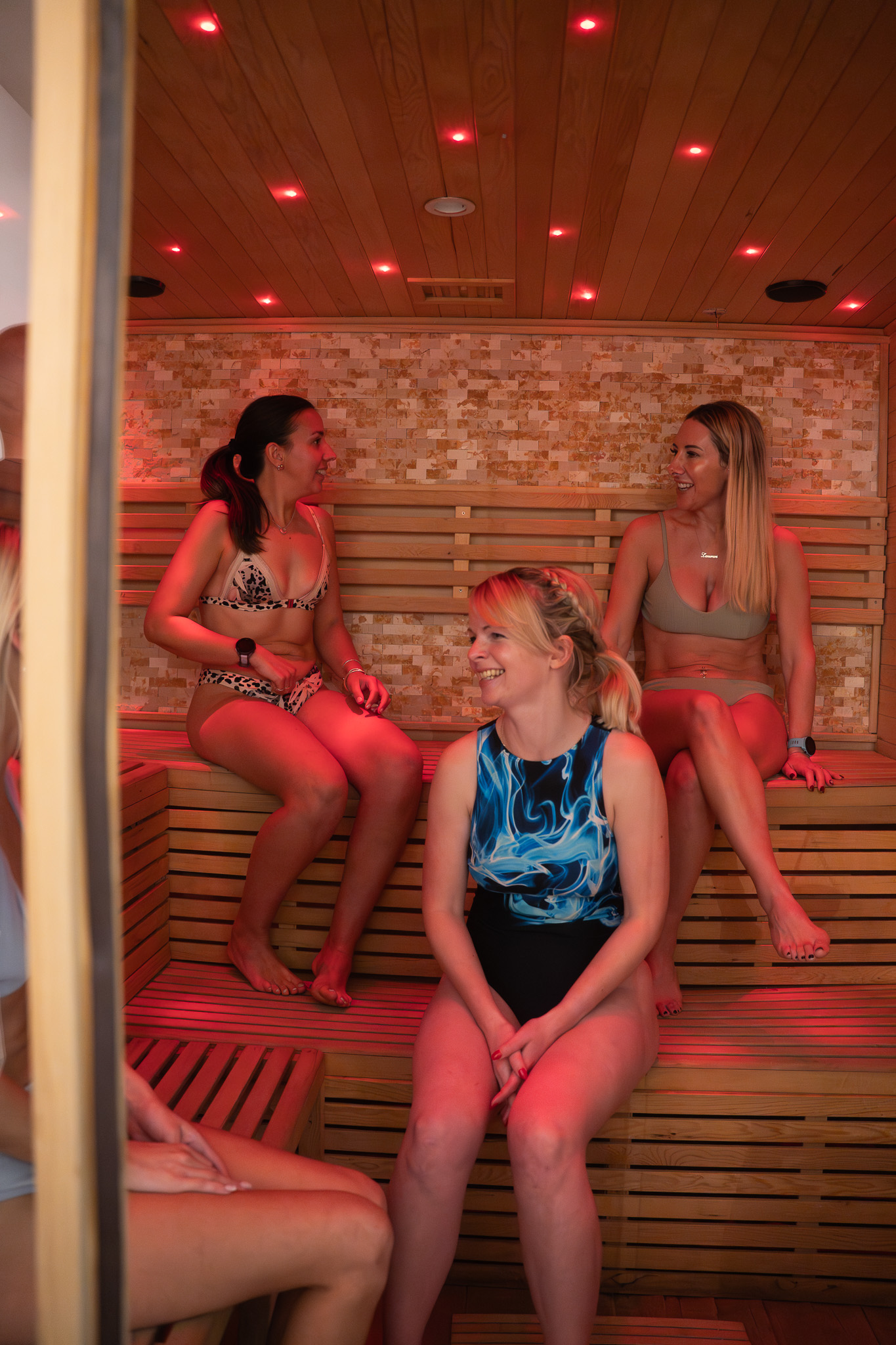
Cold water immersion rarely works in isolation, and it doesn't need to. At Revitalise Hub, we see the greatest benefits when cold water therapy is paired with complementary practices such as sauna sessions and contrast therapy (moving between hot and cold), which supports circulation, muscle recovery, and relaxation together. This combination reflects the traditions of Nordic countries, where sauna and cold plunging have been practised side by side for generations, valued as much for community and ritual as for physical benefit.
Whether your goal is faster recovery after exercise, a calmer mind, better sleep, or simply a moment of genuine presence in your day, cold water offers a simple, science supported way to reconnect with your body.
A Gentle Word of Caution
Cold water therapy is powerful, and like anything powerful, it deserves respect. It's not suitable for everyone, particularly those with certain heart conditions or other health concerns, and it should always be practised in a safe, controlled environment, never alone in open water. If you're new to cold water immersion, start gradually and always listen to your body.
Experience It for Yourself in Lymington
If you're curious about cold water immersion, contrast therapy, or sauna recovery sessions, we'd love to welcome you to Revitalise Hub in Lymington, Hampshire. Our spa is designed to help you experience the physical and mental benefits of cold water therapy safely, comfortably, and as part of a genuinely holistic approach to wellness.
About the author
The Revitalise Hub Team
Revitalise Hub was founded by Lewis and Tommy, two friends with a shared passion for cold water and its ability to reset body and mind. Our team guides guests through their ice bath and sauna sessions at our hub in Lymington, Hampshire.
Meet the teamReady to experience contrast therapy?
Try it for yourself at Revitalise Hub in Lymington — two ice baths, an eight-person sauna and complimentary red light therapy with every session.